
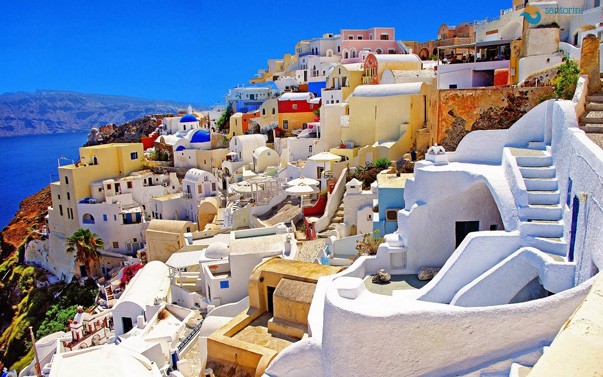
Greece is one of those places that can feel bigger than a single trip. On Greece tours, we can walk among ancient temples in the morning and swim off a Cycladic island in the afternoon. In the evening, we share grilled octopus and local wine in a village square.
That’s exactly why planning what to do in Greece tours matters so much. The best moments aren’t just about famous landmarks. They are about choosing the right mix of history, islands, food, and real local life.
We can start with Athens and Delphi, then head to Meteora, Crete, and Santorini. Greece tours can also reach quieter corners that many people miss. Greece rewards people who look beyond the postcard version.
More guided Greece tours are available now, from private cultural journeys to small-group island hopping. That makes it easier to build a trip that fits how we like to travel. Let’s break down the best Greece tours and how to choose the ones that leave us with more than great photos.
Choose The Right Type Of Greece Tour For Your Travel Style
The smartest first step is not choosing a destination. It’s choosing a tour style.
Classic escorted Greece tours work well if we love structure, history, and smooth planning. These tours often combine Athens with mainland icons like Delphi and Meteora, then add one or two islands. If we prefer flexibility, a semi-independent trip can be the sweet spot. It mixes hotels, ferries, and a few guided trips. For more ideas, explore Greece tours and Tours In Greece.
People who want a deeper pace should look at small-group Greece tours. These tend to feel less rushed and more personal. That matters most where local guide quality changes the whole experience. On the luxury end, private tours are ideal if we want custom pacing, boutique hotels, food-led trips, or family-friendly planning.
Then there’s the active route: walking holidays in Crete or Santorini, coastal hikes, village-to-village walks, and nature-focused touring. These Greece tours are perfect for people who don’t want to spend the whole trip on buses and museum schedules.
At My Greece Tours, the strongest itineraries often blend three essentials. These are expert local insight, practical transport planning, and enough free time to let Greece breathe a little.
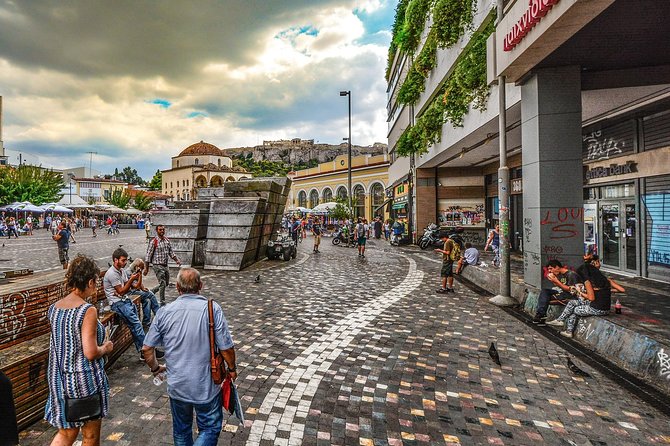


Explore Athens Beyond The Acropolis
Yes, the Acropolis is essential. No, Athens should not end there.
One of the biggest mistakes on many Greece tours is treating Athens like a one-day stopover. In reality, the city is layered, messy, and fascinating. It is far more rewarding when we give it time.
Beyond the Parthenon, we can explore the Ancient Agora, the Roman Agora, and the Temple of Olympian Zeus. The Acropolis Museum helps us make sense of what we see outdoors.
But the city’s real charm often shows up after the headline sites. Plaka has a lot of mood, if touristy in spots. Monastiraki is livelier and better for people-watching. Psyrri brings street art, music, and late dinners.
For a different view of history, we can seek out Byzantine churches, Ottoman traces, and neoclassical neighborhoods. They show how many eras Athens has carried.
Good Greece tours in Athens also include food, markets, and modern city life. We want the olive oil tasting, the backstreet bakery, the political stories, and the rooftop view at sunset. That mix turns Athens from a checklist city into a place we actually remember.
Visit Delphi, Meteora, And Other Legendary Mainland Sites
Mainland Greece is where many visitors realize the country is much more than islands.
Delphi remains one of the most powerful stops on Greece tours. It sits on the slopes of Mount Parnassus, and it feels dramatic before we even enter the ancient site.
In antiquity, this was considered the center of the world and home to the oracle of Apollo. Today, the ruins, theater, temple, and museum still carry a strange gravity that’s hard to fake.
Meteora offers something completely different. The monasteries, perched on giant rock pillars, look almost unreal in person. Photos never quite capture the scale. Well-run Greece tours help here because context matters. A good guide explains the monastic history, the geography, the routes, and the best times to visit each monastery.
If we have more mainland time, it’s worth looking at Thermopylae, Nafplio, Mystras, Messinia, or the wider Peloponnese. These areas combine mythology, medieval history, and quieter landscapes with fewer crowds.
Some of the most memorable Greece tours are two- or three-day journeys through central and southern Greece. Every stop feels like a new chapter of the country’s story.

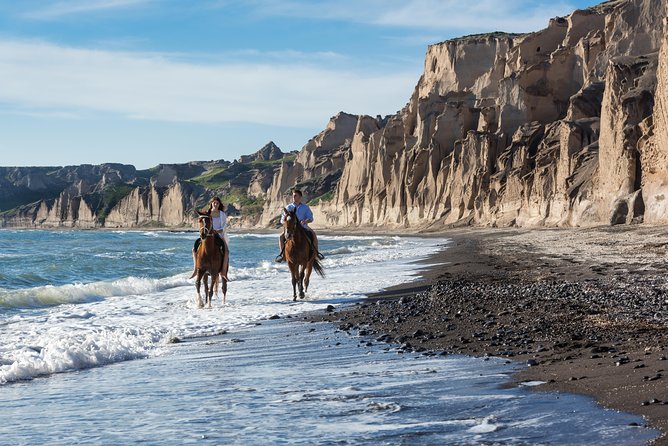
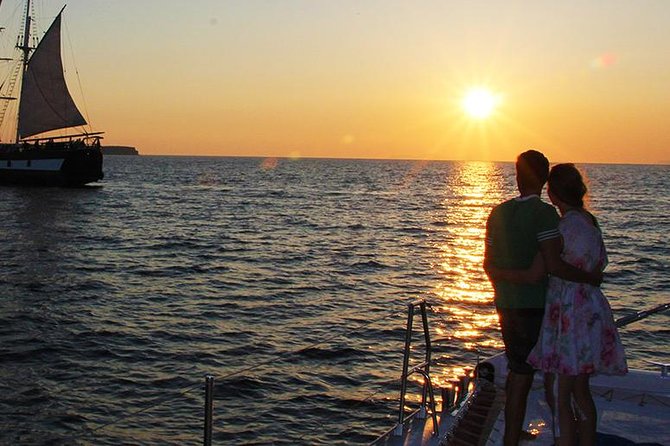

Experience The Greek Islands Through Guided Hopping Tours
Island hopping sounds romantic, and it is. But it’s also where planning mistakes can multiply fast. Ferries get delayed, routes aren’t always clear, and not every island combination makes sense. That’s why guided island hopping tours in Greece are often worth it.
The right pairing depends on what we want. Santorini brings volcanic views, caldera hotels, and iconic sunsets. Mykonos adds nightlife and polished beach clubs, but also a surprisingly pretty old town.
Naxos is more relaxed, with mountain villages, long beaches, and some of the best food in the Cyclades. Paros balances charm and style. Rhodes and Patmos work well for people who want medieval history or spiritual heritage.
And not every itinerary needs the obvious trio. Milos is where many locals would quietly tell us to go first. It offers surreal coves and dramatic coastlines. Corfu feels greener and more Venetian. Lefkada is ideal for people who love turquoise water.
The best Greece tours on the islands build in enough time to settle. Two nights is often too short. Three or four nights per island feels right.
See more:
- Exploring Greece By Public Transport: A Practical Guide For Independent Travelers
- Eco Friendly Accommodations In Greece: Where To Stay Sustainably On The Mainland And Islands
- Cycling Routes In Greece: The Best Rides By Region, Season, And Skill Level
- Cultural Etiquette For Greece Visitors: A Practical Guide To Polite Travel
- Best Scenic Train Rides In Greece: Routes, Highlights, And Planning Tips
- Greece Escorted Tours: How To Choose The Right Itinerary For Your Trip
- Must-See Places In Athens: The Ultimate 2,000-Word Guide
- How To Travel Between Greek Islands: Ferries, Flights, And Smart Island-Hopping Routes
- Adventure Activities In Greece: The Best Outdoor Experiences By Land, Sea, And Air
- Top Archaeological Sites In Greece: Must-See Ruins And Ancient Cities
- A Practical Guide To Ancient Greek Ruins: What To See And How To Visit
- Family-Friendly Greece Travel Tips: Stress-Free Planning, Best Places, And What To Know
- The Ultimate Guide to Choosing the Right Greek Tour
- Budget Tips For Greece Visitors: How To Travel Well For Less
- Greece Tours 2026: Complete Guide To Trips, Vacations, And Packages
Discover Crete Through History, Food, And Landscapes
Crete can easily be its own trip. In fact, for many travelers, it should be.
It’s Greece at a larger scale. It has bigger landscapes, stronger local identity, deeper food traditions, and enough history to fill an entire itinerary.
Knossos gets most of the attention, and it’s worth seeing. A guide can explain what is archaeology, what is reconstruction, and why Minoan civilization still matters. But Crete is not just Knossos.
We should also think in terms of regions. Chania is elegant and atmospheric, with Venetian influences and excellent food. Heraklion is busier but rich in museum value.
Rethymno balances old-town charm with access to inland villages. Then there’s the countryside, with olive groves, gorges, mountain roads, shepherd culture, and tavernas where lunch drifts into late afternoon.
For active people, Crete offers some of the best walking tours in Greece, from coastal trails to gorge hikes. For food lovers, farm visits and village meals are often the highlight. And for people who love culture, Crete delivers a rare mix of mythology, landscape, and living tradition in one place.



Enjoy Authentic Greek Food And Wine Experiences
If Greece tours leave out real food experiences, they miss part of the country’s personality.
The good news is that authentic Greek food is not hard to find. The challenge is avoiding generic tourist menus when better options are a street away. That’s where local-led culinary tours help.
In Athens, that may mean a central market walk, pie shops, loukoumades, coffee culture, and local tastings. On the islands, it may mean family tavernas, fresh fish, capers, local cheese, and sun-drenched tomatoes that somehow taste more like themselves.
Wine deserves more attention too. Santorini’s volcanic vineyards produce distinctive Assyrtiko. Nemea is known for Agiorgitiko. Crete’s wine scene keeps getting stronger, especially for people who like native grape types and small producers.
The best food and wine tours don’t just feed us. They explain why dishes differ by region. They show how fasting traditions shaped cooking, what the olive harvest means locally, and how hospitality works in practice. We leave understanding Greece better, not just fuller, though usually that too.
Find Cultural Tours That Connect You With Local Life
Some Greece tours show us monuments. Better Greece tours show us how people actually live around them.
That might mean visiting a village kafeneio or joining a cooking lesson in a family home. It might mean learning about island crafts. It might also mean hearing a guide explain what changed in their town over the last twenty years. These moments often stay with us longer than the major ruins.
When we compare Greece tours, we should look for itineraries that build in local interaction without making it feel staged. Small-group formats often do this best. So do guides with deep regional roots.
That kind of knowledge can’t be faked. It shows up in the stories, the restaurant choices, the timing, and the tiny details that never make the brochure.
This is also where traveling with a Greek-led specialist can make a huge difference. Local perspective adds texture.
We learn how Easter is celebrated and why one island feels different from another. We hear what a village feast means. We even hear why people argue about whose olive oil is best.
The point isn’t performance. It’s connection, and Greece is exceptionally good at that when Greece tours are designed well.


Plan Seasonal Activities For Spring, Summer, Fall, And Winter
Greece is not a one-season destination, even if summer gets most of the attention.
Spring is one of the best times for mainland Greece tours. Wildflowers appear, temperatures are comfortable, and ancient sites are easier to enjoy without the midday heat. It’s ideal for Delphi, the Peloponnese, and walking trips in Crete.
Summer is peak season for island Greece tours. The reasons are obvious: warm seas, lively ports, open beach clubs, and frequent ferry connections. It also brings crowds and higher prices.
If we travel in July or August, it helps to reserve early. Try not to cram too many islands into one trip.
Fall is arguably the smartest shoulder season for Greece tours. September and early October still feel summery on many islands, while mainland touring becomes easier again. Food trips are at their best then, with harvest rhythms and fewer crowds.
Winter suits visitors who focus on cities, museums, monastery visits, and mountain regions. Athens stays active year-round, and mainland cultural touring can be surprisingly rewarding. Winter Greece tours feel quieter, more local, and often more intimate.
Know What To Look For In A High-Quality Guided Tour
Not all Greece tours are equal, even when the itineraries look similar on paper.
First, check group size. Smaller groups often mean smoother pacing, easier access, and more genuine interaction. Second, look closely at who the guides are. A licensed guide is important at ancient sites, but local specialization matters too. We want people who know the stories behind the stories.
Reviews help, especially when they mention guide quality, logistics, pacing, and whether the experience felt rushed. Consistently strong ratings, often 4.8 and above on major review platforms, are a good sign. But specific comments matter more than the number alone.
We should also assess what’s included. Check the hotel category, ferry or flight coordination, entry tickets, meal quality, and how much independent time we’ll have. Cheap Greece tours can become expensive if every meaningful extra is excluded.
Finally, look for clarity. Strong operators explain the route well, communicate pickup details, offer realistic timing, and help tailor the experience. In Greece, logistics can shift with weather or season. Good organization is not glamorous. But wow, it matters.
Conclusion: Build A Greece Tour Itinerary That Matches Your Interests
The best answer to what to do in Greece tours is not “see everything.” It’s to build a trip around what excites us most.
If we love ancient history, prioritize Athens, Delphi, and the mainland. If we want sea views and village charm, focus on a few well-chosen islands instead of racing through six. If food and local culture matter most, Crete and local food tours deserve serious attention.
In 2026, Greece rewards thoughtful travel. Well-designed Greece tours, especially ones shaped by local knowledge, can turn a good vacation into a genuinely memorable one. Choose depth over overload, leave room for spontaneity, and let Greece surprise us a little. That’s often when the trip becomes unforgettable.
Key Takeaways
- Choosing the right Greece tour style, from classic escorted trips to active walking holidays, sets the foundation for a personalized and enjoyable experience.
- Exploring Athens beyond the Acropolis reveals rich layers of history, diverse neighborhoods, and authentic local life worth savoring.
- Guided tours of mainland sites like Delphi and Meteora offer deep historical insight combined with breathtaking landscapes for memorable visits.
- Island hopping tours are best planned with guided support to navigate ferry logistics and choose island combinations that fit your interests and pace.
- Crete stands out as a unique destination with extensive history, food traditions, and landscapes, ideal for cultural and active travelers alike.
- Including authentic Greek food and wine experiences in your tour enriches understanding of regional differences and local hospitality, enhancing the overall trip.
Frequently Asked Questions About What to Do on Greece Tours
What are the best types of Greece tours to consider in 2026?
Choose the style of Greece tours that fits how you like to travel. Classic escorted tours give structure and archaeology. Small-group tours offer a relaxed pace. Private luxury tours allow customization. Active walking holidays work well in places like Crete and Santorini.
How can I explore Athens beyond the Acropolis on a Greece tour?
Spend time at sites like the Ancient and Roman Agoras, the Temple of Olympian Zeus, and the Acropolis Museum. Then explore neighborhoods such as Plaka, Monastiraki, and Psyrri for local culture, food, markets, and nightlife.
Which mainland sites should I include on a Greece tour besides the islands?
Consider iconic places like Delphi’s Temple of Apollo and the monasteries of Meteora, which sit atop rock pillars. Good Greece tours add less crowded areas like Thermopylae, Nafplio, Mystras, and the Peloponnese. Together they give a rich blend of history and landscape.
What are the advantages of guided island hopping tours in Greece?
Guided tours simplify ferry planning. They offer well-planned island combinations that match your interests. Santorini is great for sunsets, Naxos for relaxed beaches, and Mykonos for nightlife. Lesser-known gems like Milos or Lefkada have fewer crowds.
Why should I include authentic Greek food and wine experiences on my tour?
Local culinary tours help you avoid tourist menus. They give insight into local dishes and local ingredients like olive oil and cheese. They also introduce wines like Santorini’s Assyrtiko and Nemea’s Agiorgitiko. That enriches your cultural appreciation.
When is the best time to visit Greece based on activities and seasons?
Spring and fall are the best seasons for Greece tours, with mild weather ideal for mainland hikes and harvest food trips. Summer is perfect for island beaches and lively ports, but it is busier. Winter suits visitors who focus on cities, museums, and mountain regions with fewer crowds.
What should I do 12 weeks before Greece tours?
Pick your dates, check your passport, and choose a tour style before you reserve anything else. These three steps shape the rest of your countdown for Greece tours. Do them first, and every later step in your preparation gets easier.
Check your passport and entry rules
Begin with your passport, because many visitors require it to be valid for at least three months after they leave Greece. Rules differ by country, so read the official entry page for your own passport before you do anything else.
Europe is also adding new entry systems, so confirm whether you need an online form or a fee before booking flights.
Choose your dates and your tour style
Next, pick your dates with the help of our guide to the best time to visit Greece. It shows how weather and crowds change by month. Summer is usually hot and busy, while spring and early autumn are calmer and still warm.
Then decide how much freedom you want. Some people like the clear plan of a group departure, while others prefer small-group and private tours. If you prefer to organize everything yourself, begin with self-guided itinerary planning.
Set a budget range and a buffer
Now set a budget range by adding the tour price, flights, insurance, and a daily amount for food and minor extras. Then add roughly 10 percent as a buffer, because a buffer pays for the minor surprises that appear on almost every journey.
Share your dates and your budget with the people who travel with you, and ask each person for their top three wishes. Greece tours are far more enjoyable when everyone has a say and nobody feels rushed.
Write a short must-do list
Write down your top five wishes for Greece tours, such as one ancient site, one island, and one great dinner.
- Passport checked and travel dates chosen
- Tour style picked and a budget range set
- A few free days kept for delays and jet lag
- Must-do list saved on your smartphone
With this list, comparing Greece tours becomes much simpler, because you can say no to itineraries that do not fit.
Which places are worth planning around for Greece tours?
Plan around a few anchor places and leave space between them. Most Greece tours work best with one city, one or two ancient sites, and one island. Use the groups below to choose the anchors that match your interests and your time.
Athens and the mainland classics
- Athens: give it at least two full days for the Acropolis, museums, and food
- Delphi: an ancient sanctuary on a mountain, best as a long day trip or an overnight stop
- Meteora: monasteries on tall rock pillars, worth two nights if you can
- Olympia: the home of the first Olympic Games, in the western Peloponnese
These four places carry most first trips, but Delphi and Meteora sit far from the coast. Plan the drive or the train with care, and try to sleep near the site you will see first.
If your time is short, see Athens and one other mainland site. Many Greece tours add a mainland loop of two or three days.
Ancient sites for history lovers
- Mycenae: a Bronze Age fortress with the famous Lion Gate
- Epidaurus: a huge ancient theater known for its clear sound
- Knossos Palace: the Minoan palace on Crete, best with a guide
- Mystras: a medieval hill town with Byzantine churches near Sparta
Each of these sites needs good shoes and a hat, and you should go early because shade is rare. The midday sun is hard on the body, and cafes near the ruins are few, so bring water. Consider a local guide, who adds the stories that signs often leave out.
Choose two of these four, not all of them, because too many ruins in a row blur together, even for history lovers.
Islands to anchor your trip
- Santorini: caldera views and sunsets, so book rooms early
- Naxos: long beaches, mountain villages, and relaxed food
- Milos: colorful coves and boat trips around the coast
- Mykonos: nightlife and beach clubs, plus a pretty old town
- Crete: the largest island, so give it several days
Pick one or two islands, not five, because ferries take time and travel days eat into your trip. Match each island to your mood before you book.
Santorini suits couples and photo lovers, while Naxos suits families and food fans. Crete suits people who want history, hiking, and beaches in one place.


How many days should the final preparation for Greece tours take?
Plan about six to eight hours of prep, spread over 12 weeks. Most of that work happens in the last two weeks. Small steps done early prevent panic, and they keep your last week calm.
A simple weekly rhythm
From week 12 to week 6, one hour a week is enough for comparing options, booking, and saving documents. From week 5 to week 2, plan on two hours a week for money, phone, and packing lists.
In the last week, give yourself roughly an hour a day for checking, charging, and packing. Choose one fixed prep day each week, such as Sunday evening, and tick off each step in a note on your smartphone.
What to do in the last 48 hours
In the last two days, only do final checks, and do not reserve new activities or change the itinerary unless you must. Last-minute changes cause most mistakes, because tired and excited people forget small details.
Use the time to read your tour notes once more and to pack your day bag. Then rest, because Greece tours are active and you will enjoy them more with a fresh mind and a charged phone.
Match prep to trip length
A short city break needs less preparation, while longer Greece tours need more bookings. Our 7 days in Greece itinerary is a good example, so begin early because ferries and hotels fill first.
This rhythm keeps Greece tours fun instead of stressful, and it leaves room for surprises along the way.
What should I book eight weeks before Greece tours?
Book the parts that sell out first: tours, rooms, ferries, and timed tickets. Waiting costs more and leaves you fewer choices. Eight weeks is a good time to lock them in.
Tour formats and booking terms
Greece tours come in several formats, from one-day trips and three-day mainland loops to week-long routes that mix mainland and islands. A fixed-departure group tour has set dates, while a private tour can move around you.
Read the booking terms too, including the deposit, the final payment date, and the cancellation window. Confirm what the price includes, such as hotels, ferries, entry tickets, and meals.
Ferries and flights
Summer ferries and fast boats fill up, especially on weekends. Our Greek ferry booking tips explain how to compare routes, seats, and prices. Short hops can cost under 30 euros, while long fast trips can pass 80 euros.
Keep one buffer night before any flight home, because ferries can be late or cancelled when the wind is powerful.
Rooms and where to sleep
Choose your rooms with the daily schedule in mind. A hotel near the port saves time on ferry mornings, while a hotel near a metro stop saves energy in Athens. Read the cancellation terms too, and ask about lifts, because many island buildings have steep steps.
Timed tickets and popular sites
The Acropolis uses timed entry in busy months, so read whether you should buy Acropolis tickets in advance. The same idea applies to other popular sites and museums on Greece tours.
How should I handle travel insurance six weeks before Greece tours?
Purchase insurance soon after you pay your first deposit, so that you are covered if you must cancel. Do not leave it until the week of the flight. A policy bought early protects the money you have already spent.
What a good policy covers
A good policy for Greece tours covers medical care, trip cancellation, delays, and lost luggage. Confirm it covers the activities you plan to do, such as hiking or boat trips, and read the small print on exclusions.
Policies often cost roughly 4 to 8 percent of the trip price. That is little compared with one hospital bill or one lost tour fee.
Health cards and public care
Some EU and UK residents hold a health card that covers public care in Greece. It does not replace insurance, and it will not pay for a flight home or a cancelled trip.
Questions to ask before you pay
Ask what happens if wind cancels a ferry, if a strike closes a site, or if you get sick on day two. Ask whether older health problems are covered, and whether you must report them, because honest answers now stop arguments later.
Also ask about the excess, which is the amount you pay first on a claim. An inexpensive policy with a high excess may cost more in the end. Most trips to Greece go smoothly, but a reliable policy gives you calm in your pocket.
Keep proof where you can reach it
Save your policy number and the insurer phone line on your smartphone, and print one copy too. Greece uses 112 as the main emergency number, and our safety tips for Greece tourists add more sensible habits.
How should I sort money and cards four weeks before Greece tours?
Bring two different cards and a modest amount of cash for your first few days. Review your bank fees and your daily limits before you leave. This mix works well on almost all Greece tours.
Cards and fees
Cards are accepted in most hotels, shops, and restaurants. Many banks add a fee of roughly 1 to 3 percent on foreign payments. Ask your bank about this fee and about your daily limits.
When a card machine offers to charge you in your home currency, choose euros, because this usually gives a better rate. Keep the second card in a different bag.
Cash for small places
Some bakeries, village tavernas, and taxis prefer cash, so carry roughly 100 to 200 euros in small notes for your first days. Use ATMs attached to a bank, because stand-alone machines often charge more.
Tipping is not required, but many travelers round up the bill or leave roughly 5 to 10 percent for excellent service.
Protect your cards and phone
Keep your cards in two places, such as a front pocket and the hotel safe. Turn on a smartphone lock and a find-my-phone feature. Crowded sites and busy ferries are places where pickpockets work, so keep a hand on your bag.
Save the number to freeze a card in case it is lost, and never write your PIN on paper. If you pay with a smartphone wallet, still bring one physical card as a back-up on Greece tours.
A rough daily budget
Once your tour is paid, many travelers set aside 40 to 80 euros a day for meals, drinks, and entry fees. A taverna meal often costs 15 to 30 euros each, and our budget travel tips for Athens show where to save.
A multi-site pass for the Acropolis area can save money if you plan to visit several sites in a few days.
How do I get my feet and fitness ready for Greece tours?
Begin walking now in the shoes you plan to wear. Most Greece tours involve more steps, hills, and stairs than people expect. A little training makes every day of your trip more comfortable and more fun.
Break in your shoes
Choose comfortable shoes with reliable grip, because old marble and cobblestones can be very slippery, especially when worn smooth. New shoes are a bad idea, since blisters will follow you for days.
Pack a pair of lightweight sandals too, because your feet will need a break at the end of a long day.
Build a simple walking plan
Walk 30 to 45 minutes, three or four times a week. Add a few flights of stairs and one longer walk on the weekend. Hill towns and ancient sites on Greece tours often mean steep paths and many steps.
For longer days on foot, read our guide to Greece walking tours.
Care for your feet on the road
Pack blister plasters, a compact tube of foot cream, and spare socks. Change your socks at lunch if your feet are hot, and take your shoes off for a minute whenever you sit down.
If a blister starts, treat it immediately and do not wait for the evening. Greek pharmacies, marked with a green cross, are simple to find. Many Greece tours include long walks, so this care really matters.
Plan for the heat and the pace
In July and August, daytime temperatures often pass 35 degrees Celsius. Plan major sites for early morning and rest in the afternoon. Many Greeks take a quiet break then, and little shops may close for several hours.
If you want a harder route, see the top hiking trails in Greece.
How do I set up my phone and apps two weeks before Greece tours?
Sort out roaming or an eSIM, then install a few helpful apps. Download everything you need for offline use before you leave home. Signal can be weak on boats, hills, and remote islands.
Roaming, eSIM, and Wi-Fi
Phones from EU countries usually roam in Greece at home prices. Other visitors should check roaming costs or purchase a travel eSIM before they fly. Hotel Wi-Fi is common, but it can be unreliable.
Turn off automatic app updates and cloud syncing while you are away from Wi-Fi, because this saves data and battery.
Apps worth installing
A short list is better than a full home screen, because you need only a few tools for Greece tours.
- An offline map of Athens and your islands
- A translation app with the Greek language downloaded
- A weather app with wind and heat alerts
- A ferry or ticket app, with tickets saved as PDFs
- Your bank app and your tour operator contact
A few words help too, and our list of essential Greek phrases for travelers is simple to learn on the plane.
Digital copies and safe habits
Email yourself scans of your passport, insurance, and tickets, and store them in a folder that works offline. Save the emergency number of your tour operator in your smartphone under a clear name.
Use a screen lock, and avoid public Wi-Fi for banking. If a site asks for a card number on an open network, wait until you are on mobile data. Good habits keep Greece tours worry-free online.
Photos, power, and backups
Bring a power bank and a plug adapter, since Greece uses type C and type F plugs at 230 volts. Back up your photos each night, because phones get lost on boats and beaches. Our photography tips for Greece tours can help you plan the best light.
What weather should I plan for on Greece tours?
Weather changes a lot by region and by season. Review the forecast for every place on your route, not just Athens. This check changes what you pack and when you tour.
Regional weather in brief
Athens and the islands have hot, dry summers. The meltemi, a strong summer wind, can make sea crossings rough in July and August. Northern Greece and the mountains are cooler, and they can see snow in winter.
Southern islands such as Crete and Rhodes stay warm longer into autumn. The Ionian islands, such as Corfu, get more rain in winter. Use our guide to the best time to visit Athens for month-by-month details.
Seasons and local events
Spring brings wildflowers and mild days for Greece tours, and autumn keeps the sea warm into October. Festivals and holidays can fill hotels and ferries, so review the calendar. The seasonal events in Greece guide lists many of them.
Heat, sun, and sea safety
Heat is the biggest weather risk on summer trips. Drink water before you feel thirsty, wear a hat, and rest in the shade at midday. Officials sometimes close the Acropolis for a few hours in extreme heat, so check the news.
The sea can have strong currents and sudden waves, even on a sunny day. Look for flags on public beaches, and swim where others swim. Apply sunscreen 20 minutes before you go outside, and again after swimming.
Check and adjust
Look at a ten-day forecast one week before you fly, and look again two days before. If heat is extreme, move major outdoor sites to the early morning. If wind is strong, keep an extra day for ferry changes.
Weather is the top reason Greece tours change, and a flexible plan solves most problems.
What should I pack one week before Greece tours?
Pack lightweight layers, comfortable shoes, and sun protection that will last all day. Then add clothes for religious sites and a few small helpers. Lay everything on a bed first, then remove one third.
The core list
Pack clothes you can mix and match for Greece tours, because lightweight cotton or linen dries quickly and keeps you comfortable. Add one warm layer for evenings, boats, and mountain towns.
- Walking shoes, sandals, and swim shoes for pebble beaches
- Hat, sunglasses, and sunscreen
- Swimsuit and a quick-dry towel
- Plug adapter, power bank, and cables
- Medicines in their original packages
Dress codes at religious sites
Monasteries and churches expect covered shoulders and knees. Carry a lightweight scarf, or long pants or a long skirt, in your day bag. Some places lend wraps, but do not depend on it. Our guide to visiting Greek monasteries explains the rules and the quiet hours.
Pack a small day bag
Your day bag is the most useful tool on Greece tours. Fill it with a water bottle, a hat, sunscreen, a lightweight scarf, tissues, and a compact first-aid kit. Add a smartphone charger and a little cash in a compact pouch.
Leave valuables in the hotel safe when you can. Choose a bag that closes with a zip and sits in front of you in crowds. A lightweight rain jacket also helps in spring and in the mountains.
Pack light for ferries and stairs
Stairs, cobbles, and ferry decks are difficult with a heavy suitcase, so use a soft bag you can carry. Small planes also have strict weight limits, so confirm yours. For a complete checklist, read our minimalist guide to packing light.
A lighter bag makes Greece tours easier from the very first day.
What should I do the day before Greece tours start?
Check in online, charge your devices, and confirm your meeting location. Then pack your luggage, eat a good dinner, and go to bed early. A calm last day sets up a calm first day.
Check in and save your documents
Most airlines open online check-in roughly 24 hours before the flight. Do it early, and save your boarding pass to your smartphone. Keep a screenshot too, because the app may not load at the airport.
Put the passport, tickets, and insurance details for Greece tours in one folder, and keep a paper copy in a separate bag.
Charge, weigh, and pack
Charge your smartphone, camera, and power bank overnight. Weigh your luggage with a compact hand scale, since airlines can charge for extra weight. Keep medicines, chargers, and one change of clothes in your carry-on bag.
Plan the trip to the airport
Work out how you will reach the airport, and add a buffer for traffic or a late train. Most airlines advise arriving two to three hours before an international flight. Leave earlier if you must check a bag or travel at a busy hour.
Confirm the first morning
Read your tour confirmation again, and note the meeting place, the time, and a phone number for your guide. If your first day includes the Acropolis, read how to skip the lines at the Acropolis tonight, not tomorrow.
Take a short walk, eat a normal dinner, and sleep. Greece tours go best when you start rested.
How should I handle the flight to Greece tours?
Keep your essentials within reach, drink water, and set your watch to Greek time. Sleep when it is night in Greece, even if you only rest on the plane. These simple habits cut jet lag by a lot.
Carry-on essentials
Put the things you cannot replace in your carry-on bag, such as your passport, medicines, phone, charger, and one extra outfit. Bags can arrive late, and an extra outfit helps on the first night.
Wear your bulkiest shoes on the plane, because this saves space in your suitcase.
Beat jet lag
Greece is usually two hours ahead of the UK and roughly seven hours ahead of New York. Change your watch when you board, and try to sleep and eat to the Greek clock.
Drink water, walk the aisle now and then, and limit caffeine. A short nap on arrival is perfectly fine, but keep it under an hour.
Make the time pass well
Long flights feel shorter with a plan, so download shows, music, or a book before you leave. Bring a neck pillow and earplugs if you sleep poorly, and stand up and stretch every hour or two.
Use some of the time to read about your first stop. Learn five Greek words, or make a list of questions for your guide. Then waiting time becomes a real part of Greece tours.
Before you land
Keep your hotel name, address, and tour contact on your smartphone and on paper. Fill in any arrival forms the airline gives you, and have your passport ready for the border check.
At the airport, wait for your luggage, then follow the signs for the metro, bus, or taxi rank.
How should I spend arrival day and the first night of Greece tours?
Keep the first day light, and take a short walk to see the neighborhood. Eat a simple dinner and go to sleep early. Save the major sights for the morning, when you feel fresh.
From the airport to your hotel
Athens airport has a metro line, an express bus, and taxis. The metro costs roughly 9 euros. A taxi to the center has a fixed fare of roughly 40 to 55 euros, depending on the time of day.
Use official taxi ranks, and ask the driver to use the meter or the fixed fare. Your hotel may also offer a pickup for a modest fee.
A gentle first evening
Drop your luggage, wash up, and go for a walk. Look for a family taverna and try a few shared dishes. Our Athens street food guide has simple ideas for a light first meal.
Many Greeks eat dinner late, often after 8 pm, so if you are hungry earlier, a snack from a bakery will do.
Rest and use the siesta
In the afternoon, many people in Greece rest, and streets and small shops grow quiet for a few hours. Treat this as a guide for your own day, because a rest after lunch gives you extra energy for a late evening.
On arrival day, this rhythm is especially helpful. Sleep for a short time if you need to, then go out after the heat passes. Greece tours often begin early, so a calm first night helps you keep up.
Watch the sunset and plan the morning
A sunset walk is a lovely way to meet a new place. See our list of the best sunset spots in Greece for ideas. Before bed, check the pickup time again and set two alarms.
Keep your passport in the hotel safe and carry a photo of it. Greece tours start smoothly when the first night is easy.
What should I do if plans change on Greece tours?
Stay calm, contact your tour operator, and check your booking terms. Most problems have a simple fix if you act early. Keep every receipt and every message as proof.
Delays and cancelled ferries
Strong wind can cancel ferries, and strikes are often announced a few days ahead. Notify your hotel and tour contact as soon as you know. Our tips for ferry travel in Greece explain tickets, ports, and delays.
Keep one free day in your route, because it acts like a safety net for Greece tours that must move.
Lost items and health problems
If a bag is late, report it at the airport before you leave and keep the form. If your passport is lost, inform the police and your embassy. In an emergency, call 112, and then call your insurer.
Take photos of receipts, because insurers and airlines often ask for them.
Keep calm and keep records
Write down the time, the place, and the name of the person you spoke to when a problem happens. Take photos and screenshots too, because these simple records make refunds and claims faster later.
Be kind to the staff members who assist you. Hotel and tour teams in Greece often have real power to solve problems, and they respond best to patience. Most disruptions end well when Greece tours have a flexible plan and friendly people.
Rebooking and flexible days
Ask what your tour terms allow, such as a change of date or a credit note. Some routes are simple to reshuffle. For a flexible base, look at island tours from Athens.
Questions about getting ready for Greece tours
Here are the questions travelers ask most as the trip gets close. Use these answers as a quick final check, and save the page for later.
How early should I book Greece tours?
Book eight to twelve weeks ahead for a summer trip. Book earlier for Easter week and for the peak weeks of August. Small groups and well-reviewed guides fill first, and the best rooms go with them.
What should I wear to religious sites?
Cover your shoulders and your knees at monasteries and churches. Carry a lightweight scarf or a long layer in your bag. Some monasteries visited on Greece tours are strict about this rule, so an extra layer is worth the space.
How much cash should I carry?
Carry roughly 100 to 200 euros in small notes for your first days. Use cards for hotels, tours, and larger bills. Cash helps in villages, bakeries, and taxis, and it is useful if a card machine is down.
Is tap water safe to drink?
In Athens, tap water is safe to drink. On many islands it tastes salty, so most people purchase bottled water. Ask your hotel if you are unsure, and refill a large bottle for your day bag.
Do I need to tip in Greece?
Tipping is not required on Greece tours, but it is welcome. Rounding up or leaving 5 to 10 percent is common. Confirm whether a service charge is already on the bill, and tip guides in cash if you wish.
What should I do if my flight is delayed?
Tell your tour operator and your first hotel as soon as you know. Keep your tickets and receipts. Then ask your airline and your insurer what they cover, and keep your messages as proof.